Table of Contents
- 1 Santiago De Cuba – Colorful, Liberal, Vibrant, And Full Of Music
- 2 Video
- 3 Top Things to Do on a Map
- 4 1 – Castillo De San Pedro De La Roca / Castillo Del Morro
- 5 2 – Cementerio De Santa Ifigenia
- 6 3 – Parque Céspedes
- 7 4 – Plaza De La Revolucion
- 8 5 – Cuartel Moncada (Historical Museum, 26 De Julio)
- 9 Transport
- 10 How To Get Around
- 11 Where to Stay
- 12 What to Eat in Santiago de Cuba: A Taste of Afro-Caribbean Soul
- 13 Our Insider Tips on a Map
- 14 1 – Weekly Market And Food Mile Avenida Victoria De Garzón
- 15 2 – Bacardi Rum Factory
- 16 3 – Fiesta Del Fuego (Festival Del Caribe)
- 17 4 – Basicila Del Cobre
- 18 5 – Nightlife In Santiago
Santiago De Cuba – Colorful, Liberal, Vibrant, And Full Of Music
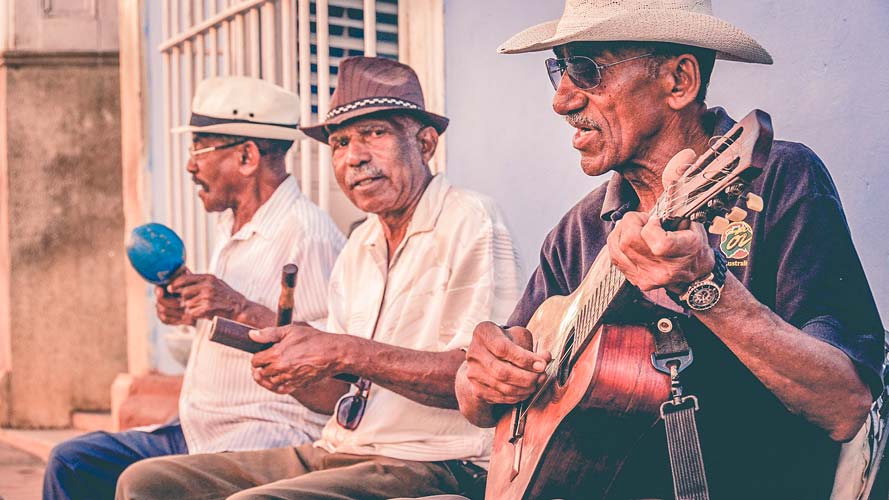
Spanish, African, French, British, and Haitian influences characterize Santiago de Cuba. A colorful, loud, culturally diverse, and liberal city, wonderfully refreshing and open. The innate rhythm of the “Santiagueros” invented almost all Cuban music genres, such as Salsa. So don't be surprised if the whole city has a musical background. You will meet musicians and dancers; joining in is encouraged. And without question, the hottest carnival in Cuba takes place here every year in July.
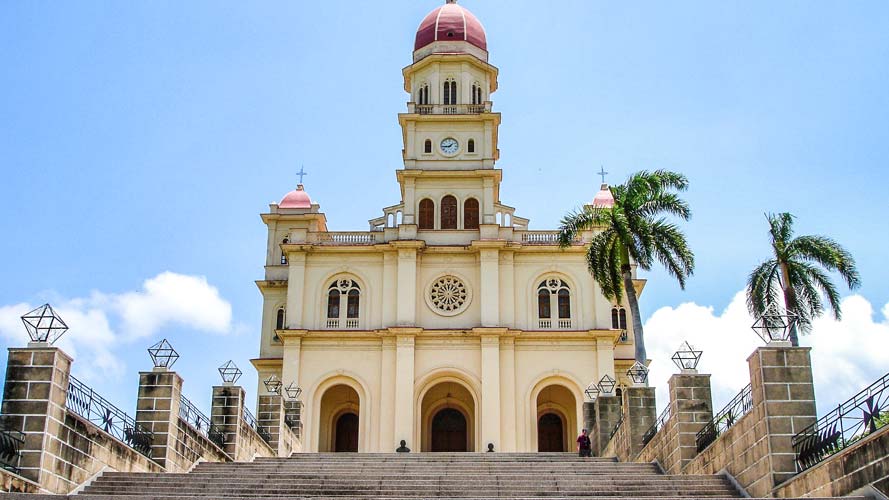
About 12 miles (20 km) from Santiago, in the small village of El Cobre, stands the national shrine of the Cuban Catholics. The pilgrimage church Basílica Santuario Nacional de Nuestra Señora de la Caridad del Cobre. In the church stands the figure of the Merciful Virgin of Cobre, and the devotion to her has already brought together a remarkable collection of offerings, including the Nobel Prize medal of Ernest Hemingway.
In 2015, large parts of the city center were lovingly renovated as Santiago de Cuba celebrated its 500th anniversary of the city's founding. It is the economic center of eastern Cuba. Many large factories are located here and are among the largest and most important employers.
Sugar production is also an essential financial component here. Tourism is gaining importance, and since the city is located on the Caribbean Sea and has the second-largest port in Cuba, more and more cruise ships are docking.
- Tickets: Check out tours in Santiago de Cuba
- Discover: More tips, highlights and tour reports in our ultimate Cuba itinerary
Video
Top Things to Do on a Map
There is so much to see and discover in and around Santiago de Cuba. Dancing, feasting, culture, sunsets, old defenses and so much more.
- Tip: Plan 2 full days for the city. So you can also enjoy the wonderful music at your leisure
1 - Castillo De San Pedro De La Roca / Castillo Del Morro
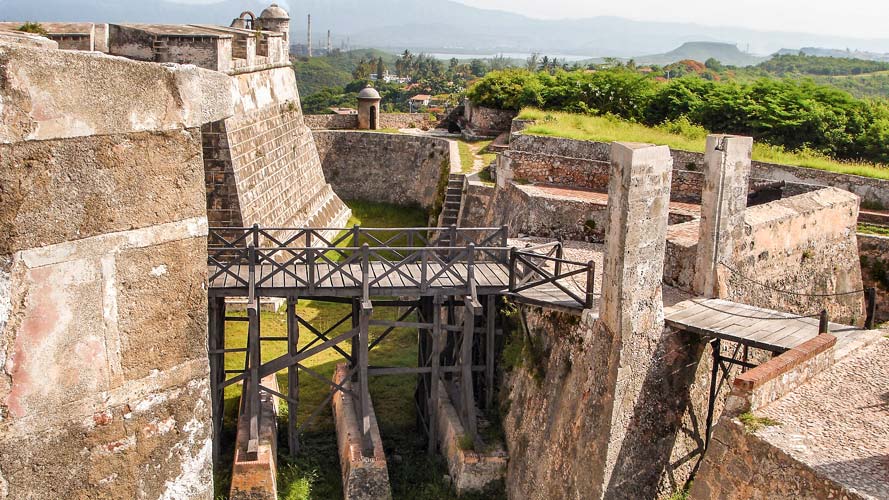
Also known as Castillo del Morro, it guards the entrance to the bay of Santiago de Cuba and is a UNESCO World Heritage Site. It served as a defensive fortress against pirates, then as a military base and prison for political prisoners, and again in 1898 as a defensive fortress during the Spanish-American War. Today, the fortress is a museum, much of which is devoted to the subject of Cuban pirates. The breathtaking views over the sea and the southern coast of Cuba are phenomenal.
- Tickets: Book your Tour to Castillo del Morro here
2 - Cementerio De Santa Ifigenia
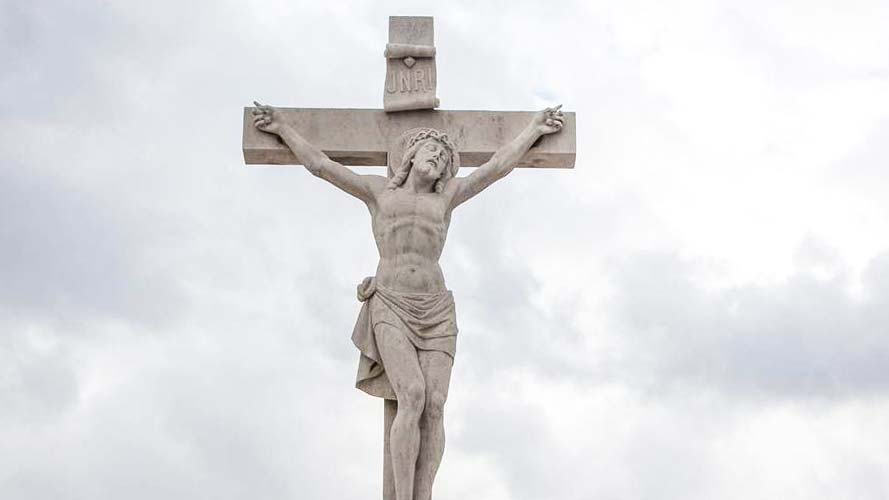
Some of the monuments that mark the tombs are impressive works of art. Especially the mausoleum of José Martí towers over the surroundings and was built to let light in during the morning hours. Supposedly, since Martí made a remark in one of his poems, he didn't want to die a traitor in the dark, but with his face towards the sun. Among the more than 8000 graves, you will also find other historical figures, such as Fidel Castro Ruz, Emilio Bacardí y Moreau (from the famous Rum dynasty).
Opening hours are: 8am – 6pm and the entrance fee is approx. 4 USD.
3 - Parque Céspedes
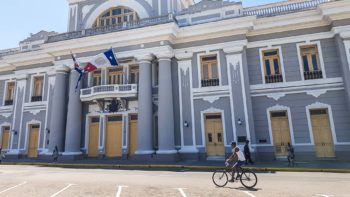
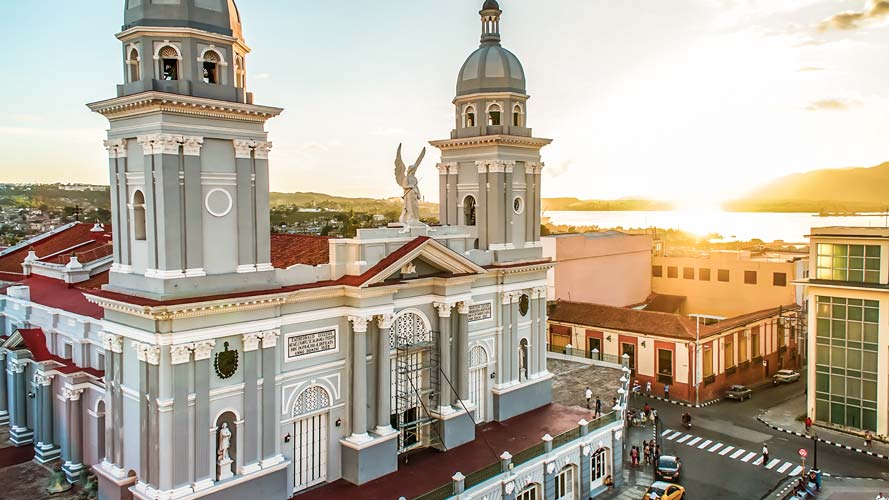
A beautiful square right in the heart of the city, Parque Cespedes. There is always something going on: live music, people dancing, children playing, and friends meeting. Many beautiful and exciting buildings surround the square. The Catedral de Nuestra de Señora de la Asunción was rebuilt many times because of pirate attacks and earthquakes. Most recently, Hurricane Sandy left its mark.
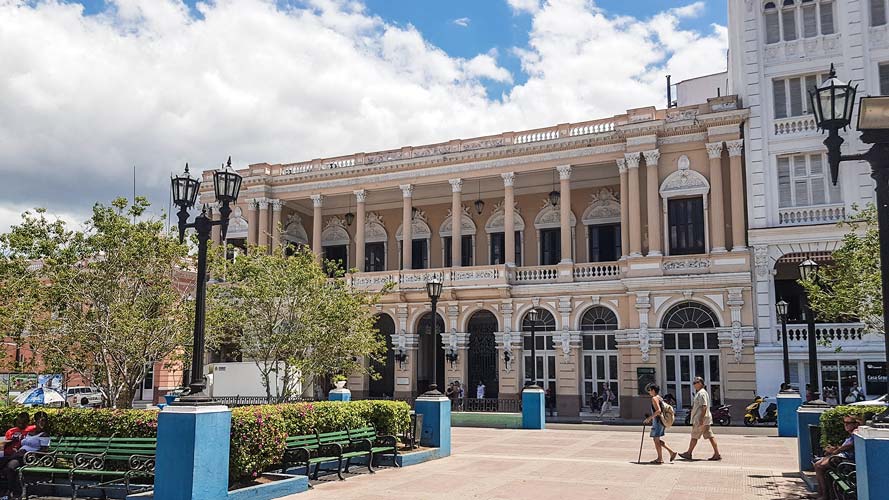
In the Casa de Diego Velázquez you will also find the Museo de Ambiente Histórico Cubano. It is the oldest house still standing in Cuba and one of the five oldest made of stone in the entire American continent. The first floor was originally a trading house and gold foundry, while Cuba's first governor, Diego Velázquez, lived on the upper floor. Today it houses the Museo de Ambiente Histórico Cubano and displays furniture and objects from the 16th to 19th centuries. Opening hours are 9 am – 5 pm and the entrance fee is approx. 3 USD.
- Tip: Do not forget to stop by at the impressive Hotel Casa Grande. If you have some time, be sure to visit the roof terrace - the view is fantastic.
4 - Plaza De La Revolucion
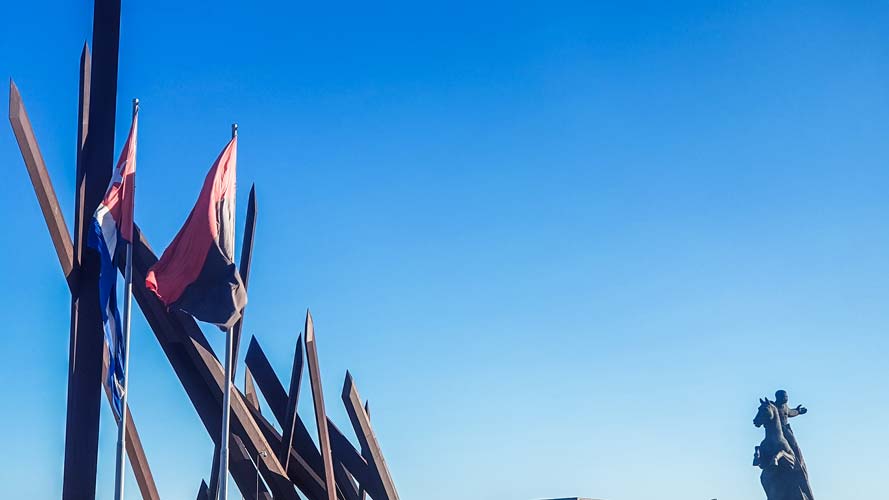
Plaza de la Revolucion is the famous venue of many important events. Fidel Castro held many speeches here; in 1998, Pope John Paul II celebrated a mass, and many protests have taken place here. The monument is dedicated to the war hero, General Antonio Maceo. The local artist, Alberto Lezcay, created the artwork in the 1990s. You'll also find the underground Museo Holografia, which displays images of the Revolution and General Maceo as holograms.
5 - Cuartel Moncada (Historical Museum, 26 De Julio)
A failed attempt, but for many, the beginning of the Revolution. On July 26, 1953, during Carnival celebrations, rebels led by Fidel Castro, Raul Castro, and Che Guevara attacked the barracks to seize weapons. The attempt failed. You can visit the bullet holes of the attacks and discover the history of Cuba in the museum. Opening hours are from 9 am – 5 pm (Sundays only until 1 pm) and the entrance fee is about 3 USD.
Transport
Arrival By Plane
Santiago de Cuba has a large international airport with direct flights from Europe. So you can practically start your round trip from here. Or how about a domestic flight from Havana to Santiago?
Arrival By Bus
With Viazul buses, you can easily get to Santiago de Cuba from all other cities and towns. The buses stop a bit outside. Arrange transportation with your Casa Particulares in advance or take a cab locally – be sure to check the price. Alternatively, you can get to Santiago by rental car or colectivo.
- Tip: You can book bus tickets online at Viazul
How To Get Around
Where to Stay
Santiago offers a huge selection of Casa Particulares, and one is more beautiful than the other. There are also beautiful and also luxurious hotels to choose from – just like a big city should. You are spoiled for choice.
- Tip: Find here good hotels in Santiago de Cuba and Casa Particulares
What to Eat in Santiago de Cuba: A Taste of Afro-Caribbean Soul
The cuisine of Santiago de Cuba is as vibrant and eclectic as its music, shaped by a rich blend of Spanish, African, French, and Haitian influences. This is the heart of Afro-Caribbean culture in Cuba, and the food reflects that soulful, flavorful history.
Forget what you know about Cuban food elsewhere; Santiago offers a unique and delicious culinary journey.
1. Congrí Oriental (Eastern-Style Rice and Beans)
While you'll find rice and beans all over Cuba, the version in Santiago is distinct. Here, it's called Congrí Oriental, and unlike the Moros y Cristianos made with black beans, this regional specialty uses red kidney beans.
The beans and rice are cooked together with pork fat, bacon, and a unique blend of spices, giving the dish a richer, smokier flavor that is characteristic of eastern Cuba.
2. Authentic Bacardí-Style Rum
Santiago de Cuba is the birthplace of light, aged rum, made world-famous by the Bacardí family before the Revolution.
While the Bacardí brand is no longer produced here, you can visit the original factory and taste the local rum that continues this historic legacy, such as Ron Santiago de Cuba. Enjoying a glass of this smooth, authentic rum, either neat or in a classic cocktail, is a taste of the city's history.
3. Street Food from the Food Mile
To truly immerse yourself in the local scene, head to the Avenida Victoria de Garzón on a weekend evening.
This “food mile” comes alive with street stalls selling a variety of national delicacies. Look for simple, delicious snacks like Chicharrones (crispy fried pork rinds), Pan con Lechon (roast pork sandwiches), and various fried treats. It's the perfect way to sample a little bit of everything.
4. Local Craft Beer at a Waterfront Brewpub
For a more modern taste of Santiago, visit the Cervecería Puerto del Rey. This waterfront brewpub is a popular spot for both locals and visitors, offering its own craft beers with a beautiful view of the bay.
It's a fantastic place to relax after a day of exploring, enjoy live music, and experience the city's contemporary side.
Our Insider Tips on a Map
1 - Weekly Market And Food Mile Avenida Victoria De Garzón
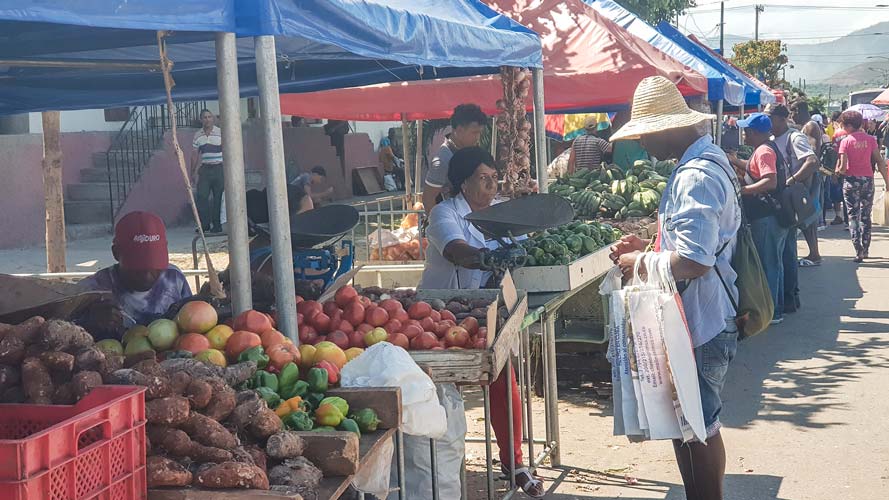
Every Saturday and Sunday there is a lot of food here. Food stalls are set up on the streets, and bands play later in the evening. Be sure to stop by and sample national delicacies, buy exotic fruits, enjoy the music, and dance with the locals until dawn. Also check out nearby Avenida de Céspedes on weekends.
2 - Bacardi Rum Factory
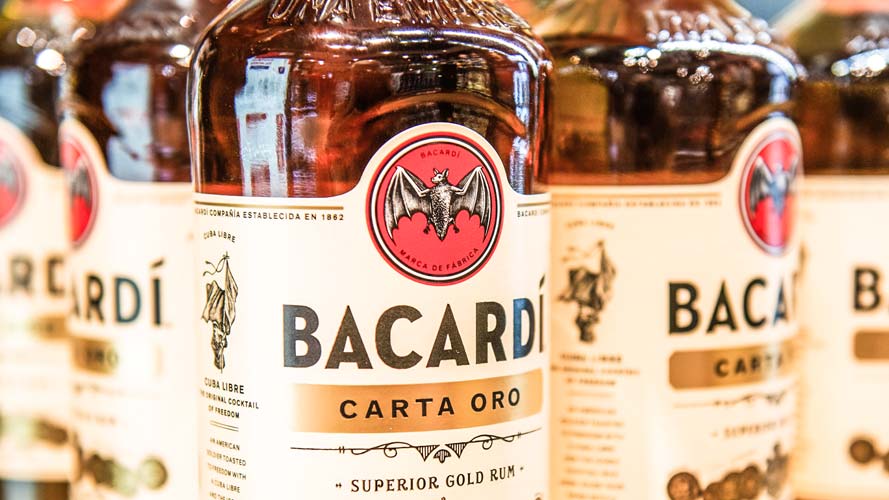
In 1868, Spaniard Don Facundo founded the factory. He also designed the world-famous Bacardi logo (bat) after discovering a colony of bats in the rafters of the factory. The Bacardi family was confiscated after the Revolution and therefore emigrated. The factory is still used today to produce rum, and a bar attached to the factory offers rum sales and tastings.
3 - Fiesta Del Fuego (Festival Del Caribe)
Since 1981, the “Fiesta del Fuego” has traditionally been held during the first week of July.
Each year the festival is dedicated to a different country. The most traditional and anticipated part of the festival is the fire parade and the devil's burning on the last night.
4 - Basicila Del Cobre
The Basilica of El Cobre is Cuba's most important place of pilgrimage. Every year the figure of the Virgin Mary, “Cachita”, as she is popularly called in Cuban, is carried through the streets in a procession.
Otherwise, the Virgin of Mercy, stands in the church. In one room, display cases show all the things that are dedicated to her: Sports jerseys, trophies, Olympic gold medals, toy cars and much more.
In the ladle are the most famous offerings: A golden partisan figurine of Fidel Castro's mother, Lina Ruz, since her son returned unharmed after the victory of the Revolution, and Ernest Hemingway's Nobel Prize medal for Literature. You can reach El Cobre by public bus or tour.
5 - Nightlife In Santiago
Be sure to visit the world-famous Casa de la Trova, where the Buena Vista Social Club performed. If you're a jazz lover, you'll love the Iris Jazz Club, and one of the city's best nightclubs for salsa is the Santiago Café at the Hotel Meliá.
For a sexy cabaret, go to the Tropicana. For a good beer with a beautiful view, head to Cervecería Puerto del Rey, a waterfront brewpub with live music.
Share Now
Jetzt Teilen